
Most punters reckon the house edge is just a vague number on a paytable, but it’s the quiet engine running every spin, deal, and throw. In Australia, where pokie floors stay busy through footy season and the arvo crowd rolls in after a long shift, treating expected loss as a planning tool rather than a scare tactic changes how you sit down. The idea is simple: work out what a game costs you on average over a set stretch, then decide if that price matches your bankroll and your patience. woo casino reviews track those numbers across lobbies so you can compare timing against notes on transfer speeds and bonus caps, where slow withdrawals get flagged fast. That’s the practical angle here – not a lecture, just the arithmetic you can actually use before you tap credit.
How the hourly figure gets built
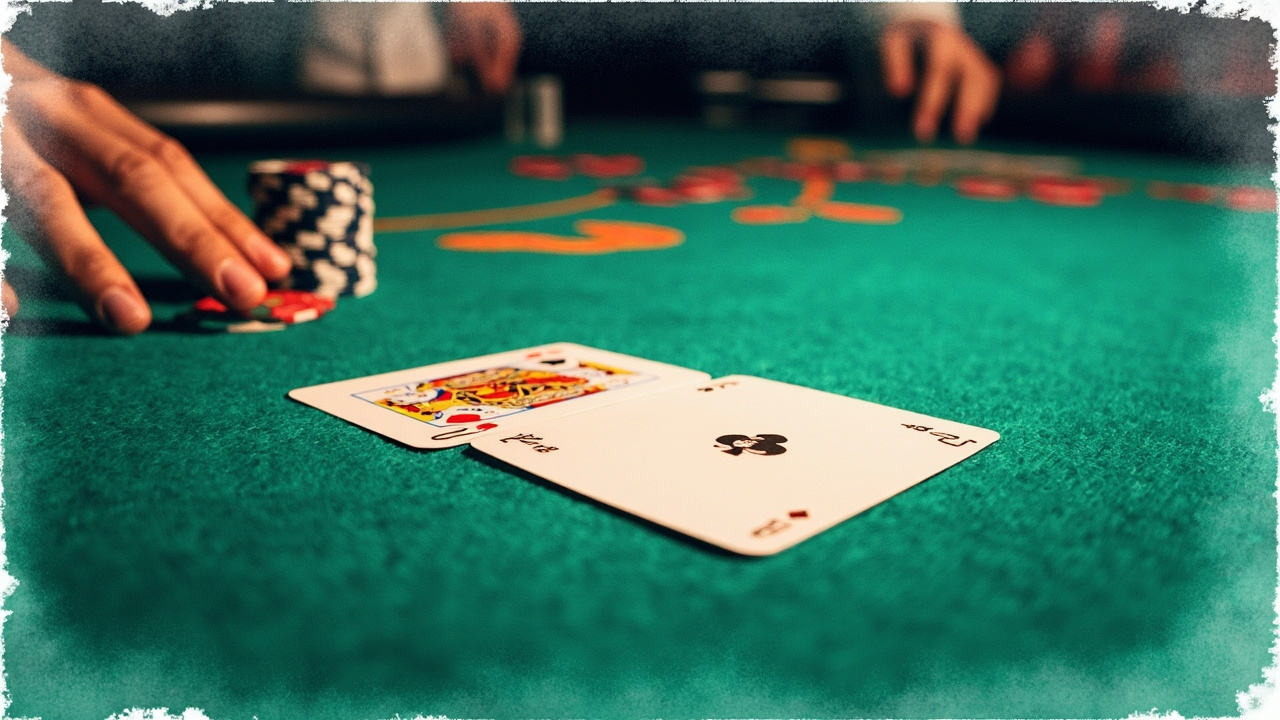
Expected loss per hour is not a guarantee of what leaves your account on any single night. It’s the product of three things you can actually see: the house edge, the average number of bets you make in an hour, and the size of each bet. A spin that pays out beautifully in a promo clip still carries the same underlying edge as the next one, because the random number generator doesn’t care about your mood or the scoreline on the TV above the bar. If you’re playing a pokie with a return-to-player of 94 percent, the edge sits at 6 percent, and that percentage applies to the total money wagered, not the money you brought in. Spin faster, bet larger, or chase a bonus round, and the hourly burn climbs even if the edge stays fixed. The number matters because it turns “I lost a stack” into “I paid roughly this much for this much play,” which is the only honest way to budget a session around a Melbourne Cup long lunch or a Boxing Day Test that runs late into the evening.
Why the physics of the machine changes the burn rate
Randomness, speed, and the real cost of a session
A machine’s feel – the way symbols land, the timing of a near miss, the rhythm of a bonus trigger – is design, not destiny. The underlying math is a steady drip from a fixed edge, and that drip scales with how quickly you push the button or pull the lever. A game tuned for a slower cadence gives you more time to think between bets, which naturally trims the hourly total even when the edge is identical to a faster-looping title. You can feel that difference on the floor, where one cabinet runs hot and another feels measured, and the same principle carries over to digital lobbies where autoplay and turbo modes quietly raise the bet count. The point isn’t to chase a slower game for some hidden advantage; it’s to understand that pace is a variable you control, and pace changes the price tag.
Bonus wagering and how it reshapes the hourly maths
Promotions look generous on the page, but wagering requirements are where the hourly picture bends. A welcome offer might hand you extra credit, yet the playthrough target forces more total bets before any withdrawal is possible, and more bets mean more exposure to the edge. If the bonus contribution on certain games is capped or excluded, you can end up grinding through titles that burn faster than you expected just to clear the target. Eligibility windows, maximum bet limits during active bonuses, and recurring promos that refresh on a schedule all feed into the real hourly cost, because they dictate how much you can wager, on what, and for how long. Read the contribution table before you tap credit, because a bonus that looks like free play often turns into a longer session at the same edge.
Game selection, bet sizing, and the edge you actually carry
Picking a title on theme alone is how sessions drift past their budget. Two games with similar graphics can sit on different RTP bands, and those bands change the hourly burn even if your bet size stays the same. Lower-variance titles tend to release money in smaller, more frequent hits, which can keep the action feeling steady, while higher-variance games stretch the dry spells and make the edge show up in bigger swings. Your bet size is the lever that multiplies everything: a modest stake on a measured game keeps the hourly figure closer to your plan, while a larger stake on a fast, volatile title pushes it up fast. The choice isn’t about finding a loose machine; it’s about matching the edge, the pace, and the stake to the amount of play you actually want to buy.
Who this way of thinking suits best
This approach works for players who treat a session like a budgeted purchase rather than a chase. If you’re the sort who likes to sit down with a fixed stake, a set time, and a clear exit point, then expected loss per hour gives you a fair price to compare against your own limits. It’s less useful for anyone hoping a bonus or a lucky streak will rewrite the arithmetic, because the edge doesn’t bend for patience or good humour. The Productivity Commission recommended sweeping pokie reforms in 2010, and that long-running conversation about harm minimisation is exactly why a clear hourly figure matters – it keeps the cost visible instead of hiding it behind flashing lights and free spins. Some operators even lean into the superstition side of the trade; the number 13 is widely considered unlucky, and some casinos skip a 13th floor, but no floor numbering changes the math under the glass. You can hear the same blunt take from people who watch the numbers day to day. Emily Mitchell, Head of Public Relations, Bondi Sports Data, puts it straight: “Players who budget by hourly cost tend to stay in their lane better than those chasing a single big hit.” Ava Wilson, Customer Experience Lead, Southern Star Esports, adds a caveat that fits the pace argument: “The edge is fixed, but session length and bet size are where people accidentally spend more than they planned.”
Making the figure work for your own limits
If you want the number to help rather than haunt you, start with the games you actually enjoy and check their published return rates, then multiply by your typical bet and the number of bets you make in an hour. That gives you a rough cost for a session, which you can line up against the cash you’re comfortable setting aside. Keep the bet size steady, avoid bumping it up after a dry run, and treat bonus playthrough as extra playtime with its own price tag rather than free money. For anyone comparing options across different lobbies, it helps to read the fine print on wagering, contribution rates, and bet limits before you register, because those terms decide how long your credit actually lasts at the table or on the reels. neighbour anchor is the kind of local detail that keeps the conversation grounded, and you’ll find the same no-nonsense approach on neighbour anchor when people talk about keeping the cost visible instead of hiding it behind flashing lights.
So next time you’re weighing up a session, do you work out the hourly cost before you tap credit, or do you prefer to let the night decide? Drop your take in the comments, send this to a mate who plans their arvo around the footy, and let us know whether the maths changes how you play.