Introduction
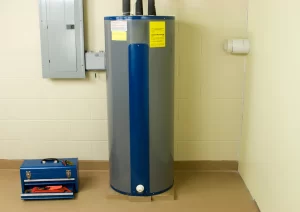
A reliable supply of hot water is something most homeowners take for granted—until the water heater stops working. Whether it’s a cold shower in the morning or water that takes forever to heat up, water heater issues can disrupt your daily routine and lead to expensive repairs if ignored.
Understanding the main causes of water heater failure can help you take preventive steps to protect your investment. At Trade Pro Plumbing, we’ve seen it all—from sediment buildup and corrosion to faulty components and poor maintenance. In this guide, we’ll explain what typically causes water heaters to fail, how to recognize the warning signs, and what you can do to extend your unit’s lifespan.
The Number One Cause: Sediment Buildup
The most common reason water heaters fail is sediment accumulation inside the tank.
How Sediment Forms
When water is heated, naturally occurring minerals like calcium and magnesium separate and sink to the bottom of the tank. Over time, these minerals solidify into a thick layer of sediment. This buildup creates a barrier between the heating element and the water, forcing the unit to work harder and longer to heat effectively.
Why Sediment Is a Problem
Sediment buildup can lead to several performance and safety issues:
- Reduced Efficiency: The heater must use more energy to produce the same amount of hot water.
- Inconsistent Water Temperature: You may notice water that fluctuates between hot and cold.
- Popping or Rumbling Sounds: Trapped air bubbles under sediment create noise during heating cycles.
- Tank Overheating: Excess heat can damage internal components and weaken the tank.
- Shortened Lifespan: Persistent strain and corrosion from sediment can cause premature failure.
In Northwest Arkansas, where hard water is common, sediment buildup happens faster than most homeowners realize. That’s why Trade Pro Plumbing recommends flushing your water heater at least once per year—or every six months in areas with high mineral content.
Other Common Causes of Water Heater Failure
- Corrosion and Rust
Corrosion is a silent killer for water heaters. Although tanks are built with protective linings, exposure to oxygen and water eventually causes metal parts to rust.
Most units include a component called an anode rod, which attracts corrosive elements to protect the tank. When the anode rod wears out and isn’t replaced, corrosion can spread, leading to leaks or structural damage.
Tip: Have your anode rod inspected every two to three years. Replacing it when needed can add years to your water heater’s life.
- High Water Pressure
Excessive water pressure puts unnecessary stress on your tank and plumbing system. When pressure inside the tank exceeds safe levels, it can damage seals, fittings, and even cause leaks.
Homeowners can protect their systems by having a pressure-reducing valve (PRV) installed and ensuring pressure levels stay between 40 and 60 psi.
- Thermostat or Heating Element Failure
If your water isn’t heating properly, the thermostat or heating element could be to blame. These components regulate temperature and control when the heater turns on and off.
Over time, electrical wear or sediment buildup on elements can cause them to malfunction, resulting in lukewarm or no hot water. Fortunately, these are relatively easy and affordable parts to replace.
- Age and General Wear
Most traditional tank water heaters last between 8 and 12 years, depending on maintenance and usage. As your unit ages, internal components deteriorate, and efficiency naturally declines.
If your water heater is approaching the 10-year mark and showing signs of wear—such as leaks, noise, or rust—it’s often more cost-effective to replace it than to continue repairing it. Trade Pro Plumbing can help you determine whether repair or replacement is the best option for your home.
- Poor Maintenance
Neglecting routine maintenance is one of the fastest ways to shorten a water heater’s lifespan. Regular inspections, flushing, and checking safety valves are essential to keep your system performing at its best.
At Trade Pro Plumbing, we offer comprehensive maintenance services that include:
- Tank flushing to remove sediment buildup
- Pressure and temperature safety checks
- Anode rod inspections
- Leak detection and valve testing
These preventive steps ensure your water heater runs efficiently and safely year-round.
Warning Signs Your Water Heater May Be Failing
If you notice any of the following symptoms, your water heater may already be in trouble:
- Water that never gets hot or cools quickly
- Strange noises like popping, banging, or hissing
- Rust-colored or cloudy water
- Leaks around the base of the unit
- Fluctuating water temperature
- Rising energy bills
Ignoring these signs can lead to complete system failure, flooding, or water damage in your home.
How to Prevent Water Heater Failure
- Flush Your Tank Regularly
Draining the tank once or twice a year removes sediment before it hardens. This simple maintenance task improves efficiency and prevents overheating.
- Inspect the Anode Rod
Replacing the anode rod every few years can extend your tank’s lifespan and prevent corrosion.
- Check Water Pressure
Keep your home’s water pressure between 40–60 psi to avoid unnecessary stress on your water heater.
- Schedule Professional Maintenance
A licensed plumber can spot small problems before they turn into major repairs. At Trade Pro Plumbing, we perform full system inspections and offer honest recommendations for repair or replacement.
- Consider a Water Softener
If your home has hard water, installing a water softener can significantly reduce sediment buildup and extend the life of all your plumbing fixtures—including your water heater.
Why Choose Trade Pro Plumbing
At Trade Pro Plumbing, we understand how important reliable hot water is for daily life. Serving Fayetteville, Springdale, Rogers, Bentonville, and surrounding areas, our experienced plumbers specialize in water heater maintenance, repair, and replacement.
We use advanced tools and proven methods to remove sediment buildup, repair failing components, and install high-efficiency water heaters that deliver lasting performance. Our commitment to quality workmanship and honest service has made us one of Northwest Arkansas’s most trusted plumbing providers.
Conclusion
The most common cause of water heater failure is sediment buildup, but other factors like corrosion, high water pressure, and poor maintenance can also play a role. Fortunately, these problems are preventable with regular care and professional inspection.
If your water heater is making noise, running inefficiently, or not producing consistent hot water, it’s time to call the experts at Trade Pro Plumbing. We’ll diagnose the issue, perform necessary maintenance, and help extend the life of your water heater.
Contact Trade Pro Plumbing today for dependable water heater service anywhere in Northwest Arkansas.